When everything stops, the first thing that kills you is your dependency on the system. For decades, the default reaction for any prepper or citizen facing power outages has been the same: buy a gas generator, store it in the garage, and assume you are ready. This is a fatal illusion, and even the institutions managing the world’s worst disasters have just officially admitted it.
The Deadly Myth of the Gas Generator in a Crisis
Forget the slick spec sheets from manufacturers. On the ground, in a SHTF (Shit Hits The Fan) situation or a prolonged blackout, a gas generator is not an asset. It is a vulnerability.
Why? Because it keeps you chained to the very supply chain you are trying to escape.
- No Electricity = No Gas: Gas station pumps run on electricity. If the grid goes down, your fuel reserves will only last as long as your cans. And gas degrades in just a few months.
- The OPSEC Suicide: The number one rule of urban survival is discretion. Running an 80-decibel sputtering engine when the whole neighborhood is plunged into silence is like turning on a giant neon sign above your house screaming: “I have power, heat, and supplies. Come and get it.”
- High Maintenance: Clogged carburetors, fouled spark plugs… If you are not a mechanic, your generator will fail you exactly when you need it most.
Gas power is dead for true resilience. And the definitive proof has just dropped.
“Power the Rescuers”: The Wake-Up Call from the Red Cross
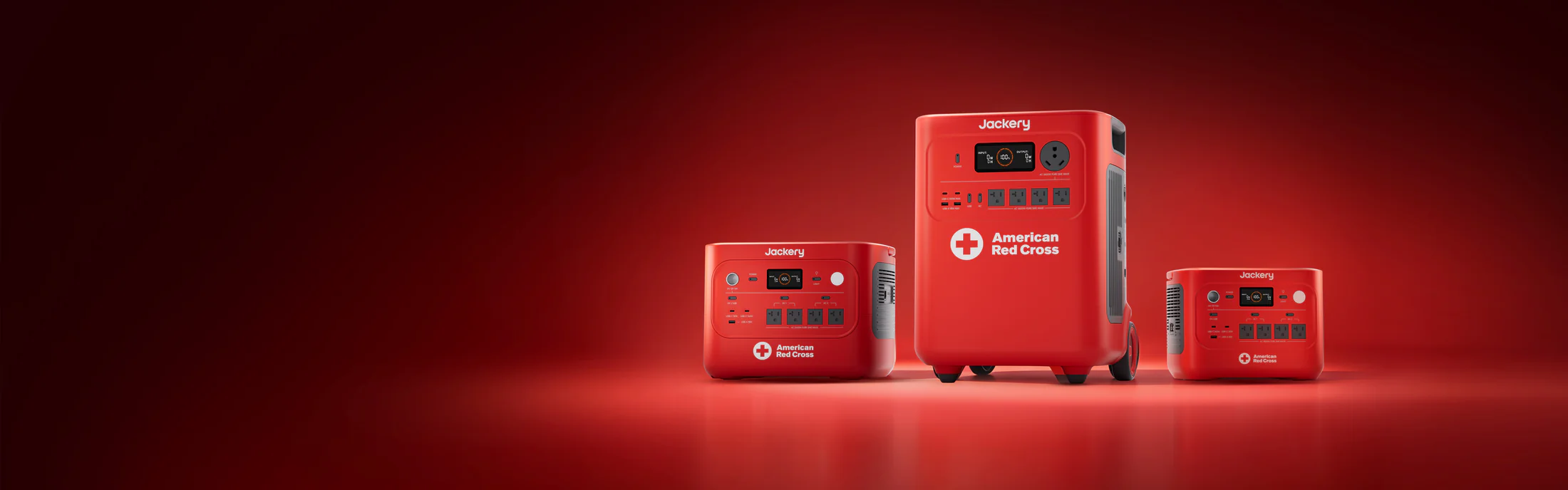
The American Red Cross, the ultimate frontline organization, has just made a historic decision. For the very first time in its history, it has officially certified and approved a line of backup batteries: Jackery portable power stations (the HomePower Emergency Pro series).
They are launching the “Power the Rescuers” initiative. This is not just a PR stunt. It is a pragmatic admission: in devastated areas, transporting fuel has become a logistical nightmare.
Rescuers need to power critical medical equipment, internet routers, and GPS communication systems silently, cleanly, and most importantly, without relying on tanker trucks that will never arrive due to blocked roads. As we detailed in our guide on Taking Back Control and Digital Sovereignty, securing your local hardware and energy is the first step to true independence.
Solar power coupled with lithium batteries has officially become the institutional standard for resilience. If crisis professionals no longer trust the oil logistics to save lives, why would you entrust the safety of your family to a jerrycan of unleaded gas?
Building Your “Zero Trust” Arsenal
Energy sovereignty cannot be rented; it must be owned. Your goal is not to light up your entire neighborhood, but to keep your critical ecosystem alive: encrypted communications, cold storage (fridge/medication), tactical lighting, and recharging your security devices.
This is where portable power stations come into play. No noise. No gas. No dependency. You plug in your solar panels, and you are autonomous.

If you want to secure your infrastructure before the grid becomes your worst enemy, you need to establish the foundation of your Arsenal. Check out the Jackery solutions (like the 1000 Plus or 2000 Plus) that are reliable, completely silent, and now approved for absolute emergency situations.
👉 Discover Jackery Stations Approved for Emergencies Here
FAQs About Solar Generators in a Blackout
Can a Jackery power station run a refrigerator?
Yes, depending on the model. Larger units like the Jackery Explorer 1000 Plus or 2000 Plus can easily power a full-sized refrigerator for several hours to over a day, allowing you to cycle power and preserve food without a constant run.
Are portable power stations completely silent?
Unlike gas generators, lithium-based portable power stations run silently. The only noise is a quiet internal cooling fan that activates under heavy loads, making them perfect for maintaining OPSEC in an urban survival scenario.
How do I charge my power station if the grid is down indefinitely?
The most reliable method is using portable solar panels. Jackery and similar brands offer foldable, rugged solar panels that can recharge the battery station in a few hours of direct sunlight, ensuring continuous off-grid autonomy.
From Fiction to Reality on the Ground
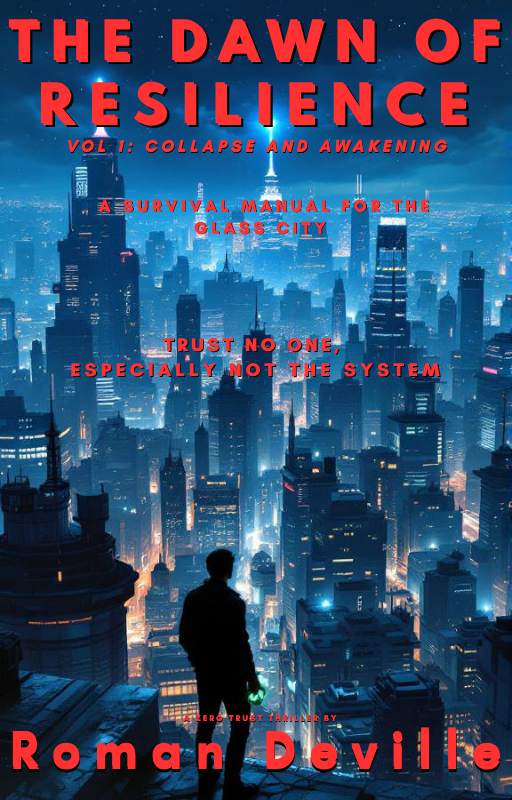
This institutional shift towards off-grid power is not theoretical. It is exactly the reality Ethan and Aura navigate in my novel The Dawn of Resilience. In a post-collapse world where access to energy dictates who survives and who dies, characters do not burden themselves with loud generators. They rely on solar power and nomadic storage to maintain their encrypted communications off-grid and ensure their digital sovereignty.
What was anticipation just a few months ago is today validated by the Red Cross. The Arsenal described in the book is not science fiction: it is a technical survival manual disguised as a thriller.