TL;DR: Why Modern DeFi is a Risk for Digital Sovereignty
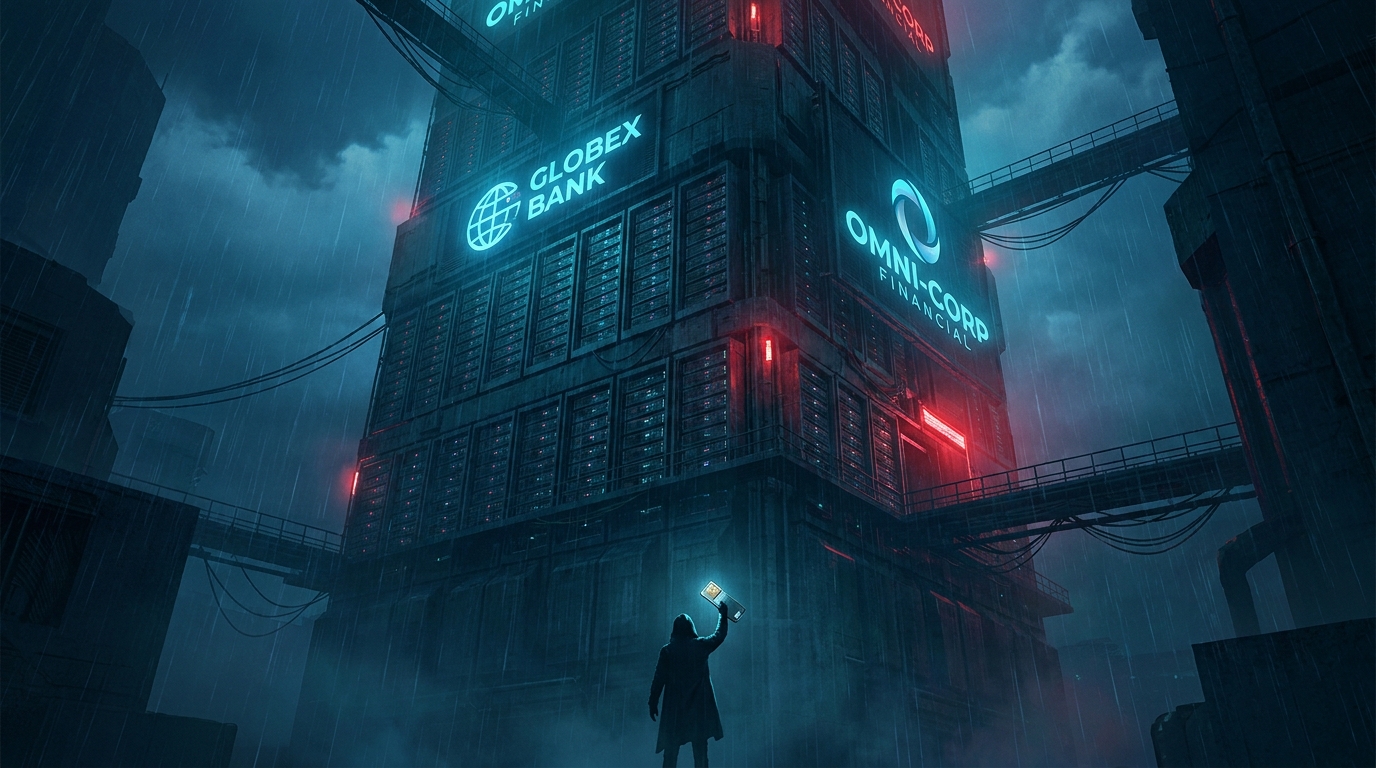
- The DeFi Lie: 90% of modern Decentralized Finance (DeFi) platforms run on centralized corporate servers (like AWS). If the cloud goes down, your liquidity disappears.
- Banking 2.0: Centralized crypto exchanges are identical to traditional banks: they freeze assets, enforce strict KYC, and act as vulnerable single points of failure.
- The Zero Trust Custody Protocol: To survive a systemic collapse (SHTF), your digital wealth must be converted into a physical bearer asset (like the Tangem Wallet) completely isolated from web interfaces.
There is a collective amnesia sweeping through the cryptocurrency world. If you look back at the early days of Bitcoin, the mission was brutally clear: create a parallel, peer-to-peer electronic cash system. It was about escaping the corporate waiting lines, bypassing the gatekeepers, and reclaiming absolute ownership of your wealth.
Today, look at what they call “Decentralized Finance” (DeFi). It has become the exact monster it swore to destroy.
We traded traditional bankers for Silicon Valley Venture Capitalists. We traded bank accounts for centralized exchanges that demand your ID, freeze your assets on a whim, and run their entire “decentralized” infrastructure on Amazon Web Services. Modern DeFi isn’t a revolution; it is Banking 2.0 with a worse user interface.

The Great Amnesia: Forgetting the Cypherpunk Roots
The original cypherpunks didn’t build cryptographic tools so you could yield-farm governance tokens on a platform controlled by a multi-sig wallet held by three developers. They built these tools for survival. They built them to ensure that when the legacy financial system inevitably chokes, you would have a life raft.
As Radiant Blockchain recently highlighted with the concept of “The Second Window,” the industry has missed the point of Bitcoin. True digital cash was supposed to be a parallel power structure. Instead, the masses have been lured into complex, interconnected protocols that are fundamentally fragile.
When a centralized cloud provider goes down—or when governments decide to flip the switch—90% of the so-called DeFi ecosystem will evaporate in seconds.
The Survival Imperative: True Digital Sovereignty
In a true Grid Down or SHTF (Shit Hits The Fan) scenario, your heavily leveraged DeFi positions won’t buy you a drop of clean water or secure your perimeter. Centralized crypto is a peacetime luxury.
Digital sovereignty demands a return to the basics through what I call the Zero Trust Financial Protocol:
- The Cold-Storage Imperative (Self-Custody): If you don’t hold the private keys, you don’t own the money. Period. Get your assets off exchanges and into a cold storage hardware wallet immediately.
- The Base-Layer Sanctuary: Focus on assets that function as uncensorable digital cash on true Layer-1 protocols that don’t rely on centralized corporate nodes.
- The Faraday Wealth Defense (Off-Grid Resilience): Prepare your tech stack to function in a degraded environment where cloud APIs are dead.
In The Dawn of Resilience, Ethan doesn’t navigate the collapse of Glass City by logging into a centralized web portal. He survives because his digital assets and communications are physically in his hands, cryptographically secured, and independent from the failing macro-infrastructure. That is the Zero Trust mindset in action.
Stop trusting platforms that mimic the banking cartels. Reclaim the parallel power of digital cash before the exit doors are locked.
Expert FAQ: Surviving the DeFi Collapse
What is the exact risk of holding crypto on centralized exchanges during a grid down event?
If a major grid failure or cyberattack hits, centralized exchanges (like Coinbase or Binance) will instantly lose access to their cloud servers. Without server access, the platform shuts down, APIs fail, and you cannot withdraw or trade your funds. You are effectively locked out of your wealth until corporate infrastructure is restored—if it ever is.
How do I access my crypto offline in an SHTF scenario?
While you cannot broadcast a transaction completely without the internet, you can secure your wealth offline. To survive an SHTF scenario, apply The Faraday Wealth Defense: use a hardware wallet stored in a Faraday bag to isolate your cryptographic keys from remote hacks and EMPs. When you need to transact, you will rely on decentralized peer-to-peer broadcasting methods (such as mesh networks, HAM radio data bursts, or satellite uplinks like Iridium GO) to reach surviving blockchain nodes.
Why is “Modern DeFi” considered a centralized point of failure?
Because it relies on the “Admin Key” vulnerability. Most DeFi protocols have multi-sig wallets controlled by a small group of developers who can pause contracts, freeze funds, or alter code. Furthermore, their front-end interfaces are hosted on centralized corporate domains. True decentralization, or The Cypherpunk Standard, has no admin keys and no single point of corporate failure.
Are you prepared for what happens when the grid goes down and the corporate servers flatline? Step into the world of Ethan and Aura. Discover the harsh realities of urban survival, digital sovereignty, and the fight against systemic collapse.
